Your gums play an important role in keeping your teeth healthy and firmly supported. Gum disease develops when plaque and bacteria build up around the teeth and trigger inflammation in the gums. If detected early, gum disease can often be treated effectively before it progresses to more serious damage.
Quick Takeaways
Gum Disease at a Glance
- Bleeding, swollen or tender gums can be early warning signs.
- Persistent bad breath may also indicate a gum problem.
- Plaque and tartar buildup are major contributors to gum disease.
- Smoking, diabetes, genetics and certain medications can increase the risk.
- Early-stage gingivitis can often be reversed with proper oral care and professional treatment.
- More advanced periodontitis requires professional management to control the disease and protect the supporting tissues and bone.
Early Warning Signs of Gum Disease
Gum disease does not always cause noticeable symptoms in its early stages, which is why regular dental check-ups are important. When symptoms do appear, watch for:
- Bleeding gums while brushing or cleaning between your teeth
- Red, swollen or tender gums
- Persistent bad breath
- Receding gums, making teeth appear longer
- Sensitive or loose teeth
- Pain or discomfort while chewing
- Changes in how your teeth fit together when you bite
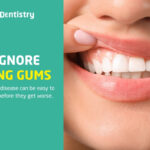
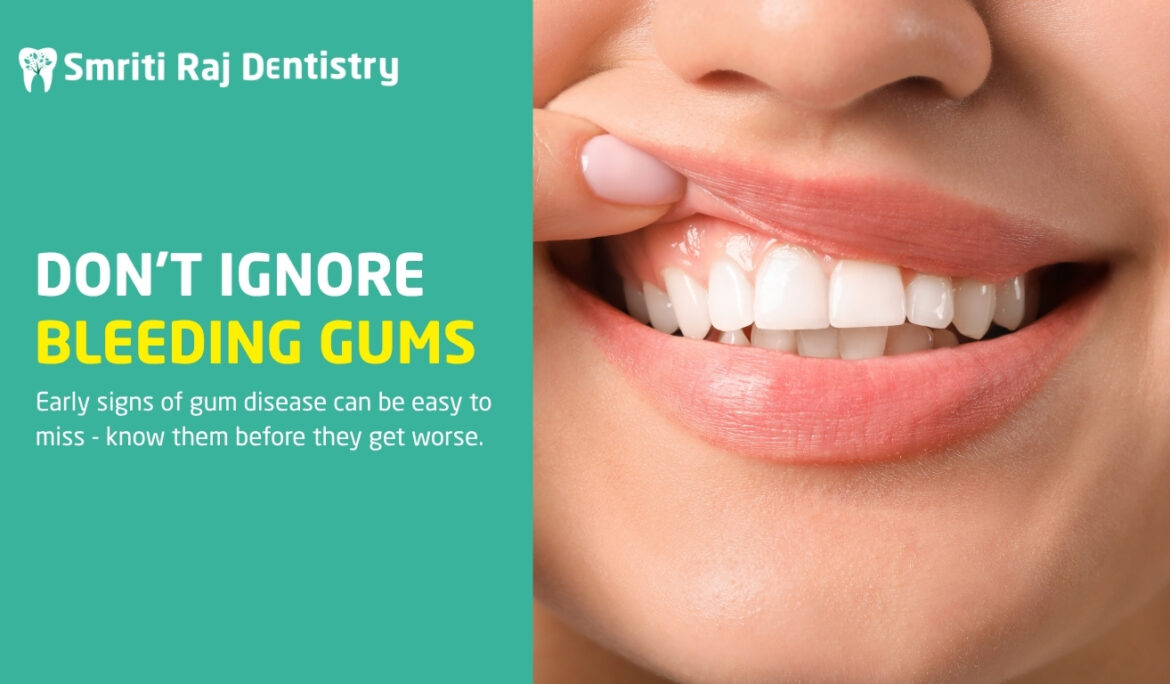
Bleeding gums should not simply be dismissed as a normal part of brushing. They can be a sign of gum inflammation and deserve attention.
Causes & Risk Factors
1. Plaque and Tartar Buildup
Plaque is a sticky film containing bacteria that continuously forms on your teeth. If it is not removed regularly through brushing and cleaning between the teeth, it can contribute to inflammation of the gums. Over time, plaque can harden into tartar (calculus), which cannot be removed with regular brushing and requires professional cleaning.
2. Oral Hygiene
Inadequate brushing and cleaning between the teeth allows plaque to accumulate around the gumline. Maintaining a consistent oral hygiene routine is one of the most important ways to reduce the risk of gum disease.
3. Smoking and Tobacco Use
Smoking and other forms of tobacco use significantly increase the risk of gum disease and can also make treatment less successful. Quitting tobacco can improve gum health and treatment outcomes.
4. Diabetes and Other Health Factors
Diabetes is associated with an increased risk of gum disease, and gum disease can also make blood sugar management more difficult. Genetics, certain medications, hormonal changes and some other medical conditions can also influence gum health.
5. Genetics and Individual Risk
Some people are more susceptible to gum disease than others. Your family history and individual health factors can influence your risk, even when you maintain good oral hygiene.
Treatment Options for Gum Disease
Treatment depends on the type and severity of gum disease. Your dentist may first evaluate your gums, measure the spaces around your teeth and, when necessary, use dental X-rays to check for supporting bone loss.
Step 1: Professional Cleaning
For early gum inflammation, professional cleaning can help remove plaque and tartar that regular brushing cannot eliminate. Your dentist may also guide you on improving your brushing and interdental-cleaning technique.
Step 2: Scaling & Root Planing
When gum disease has progressed, scaling and root planing, also known as deep cleaning, may be recommended. This procedure cleans plaque and tartar from affected tooth and root surfaces below the gumline.
Step 3: Medication When Required
Depending on the condition, a dentist may recommend medication such as an antimicrobial mouth rinse or other prescribed treatment as part of the overall treatment plan.
Step 4: Surgical Treatment for Advanced Cases
In more advanced cases, surgical treatment or referral to a periodontal specialist may be required. The goal is to control the disease and protect the tissues and bone supporting your teeth.
The earlier gum disease is identified, the more straightforward treatment can often be.
Your Gum Disease Prevention Plan
A consistent daily routine can go a long way toward protecting your gums.
Brush Twice a Day
Brush your teeth twice daily using fluoride toothpaste. Use gentle, thorough movements rather than brushing aggressively.
Clean Between Your Teeth
Floss or use another interdental cleaning method regularly to remove plaque from areas your toothbrush cannot effectively reach.
Schedule Regular Dental Check-ups
Routine dental visits allow your dentist to identify gum problems early and professionally remove tartar when needed. The frequency of visits should depend on your individual oral-health needs.
Avoid Tobacco
Avoiding smoking and other tobacco products can significantly reduce your risk of gum disease and support better treatment outcomes.
Manage Your Overall Health
Conditions such as diabetes can affect gum health, so maintaining good overall health and keeping your dentist informed about relevant medical conditions is important.
Why Early Detection Matters
Gum disease can progress from inflammation of the gums to damage involving the tissues and bone that support your teeth. Advanced periodontitis can eventually contribute to loose teeth and tooth loss.
There is also an important connection between oral and general health. For example, diabetes and gum disease have a two-way relationship, with each potentially making management of the other more difficult. Gum disease has also been associated with several other health conditions, although an association does not necessarily mean that gum disease directly causes those conditions.
That is why taking care of your gums is an important part of maintaining your overall oral health.
When Should You See a Dentist?
Consider scheduling a dental evaluation if you notice:
- Bleeding gums
- Persistent bad breath
- Swollen or tender gums
- Receding gums
- Tooth sensitivity or looseness
- Pain while chewing
- Changes in your bite
Don’t wait for significant pain before getting your gums checked. Gum disease can sometimes progress without obvious symptoms.
Protect Your Gums. Protect Your Smile.
At Smriti Raj Dentistry, our team can evaluate your gum health, identify signs of gum disease and recommend a treatment plan based on your individual needs.
If you have noticed bleeding gums, persistent bad breath, swelling or any other changes in your gums, schedule a dental evaluation rather than waiting for the problem to progress.
Book Your Gum Health Evaluation
Call us at: +91 85272 75521 | +91 97177 32131
Visit us at: Smriti Raj Dentistry
Basement Floor, Plot No. 54, Sector 13, Dwarka, New Delhi – 110075
Trusted speciality care for the smile that matters most.